


-
Pre-Oxidized Fiber in High-Temperature Insulation and Industrial Filtration
-
Discover how pre-oxidized fiber (PANOX) delivers reliable thermal insulation, high-temperature filtration and fire protection for steel, cement, glass and foundry operations.
Pre-Oxidized Fiber in High-Temperature Insulation and Industrial Filtration
Pre-oxidized fiber (often called oxidized PAN fiber or PANOX) is a thermally stabilized acrylic fiber that does not burn, melt, drip, or soften under normal operating conditions. Because of this inherent flame resistance and its excellent thermal stability, pre-oxidized fiber has become a practical material choice for industrial insulation, high-temperature filtration, and fire protection across heavy manufacturing. This article explains how pre-oxidized fiber performs in these demanding environments, where it is used, and what buyers should consider when sourcing it.
What Makes Pre-Oxidized Fiber Different
Pre-oxidized fiber is produced by heating polyacrylonitrile (PAN) precursor under controlled tension and temperature so that the polymer chains form a stable, ladder-like structure. The result is a fiber that keeps its textile-like flexibility while gaining outstanding heat resistance. Unlike many synthetic fibers, it will not create a molten drip that can spread flame or injure personnel.
Its limiting oxygen index (LOI) is typically above 40 percent, meaning it requires a very high concentration of oxygen in the surrounding atmosphere to sustain combustion. In ordinary air, it simply self-extinguishes. The fiber also offers low thermal conductivity, good electrical insulation, and resistance to most acids and solvents, which makes it suitable for continuous service in furnaces, exhaust lines, and filtration systems where conventional textiles fail quickly.
Why Industrial Manufacturers Choose It
Industrial processes such as steel making, cement production, glass melting, and metal casting generate extreme heat and aggressive particulates. Equipment in these environments needs materials that hold their shape, resist sparks and slag, and last through long duty cycles. Pre-oxidized fiber meets those needs in several ways.
It maintains structural integrity at continuous temperatures up to roughly 250 to 300 degrees Celsius, with short-term resistance well beyond that range.
It does not melt or drip, reducing fire risk and improving workplace safety.
It handles thermal cycling without becoming brittle in the way that some inorganic fibers do.
It can be processed into staple fiber, filament, yarn, felt, and fabric, so it adapts to many product forms.
Applications in Industrial Insulation
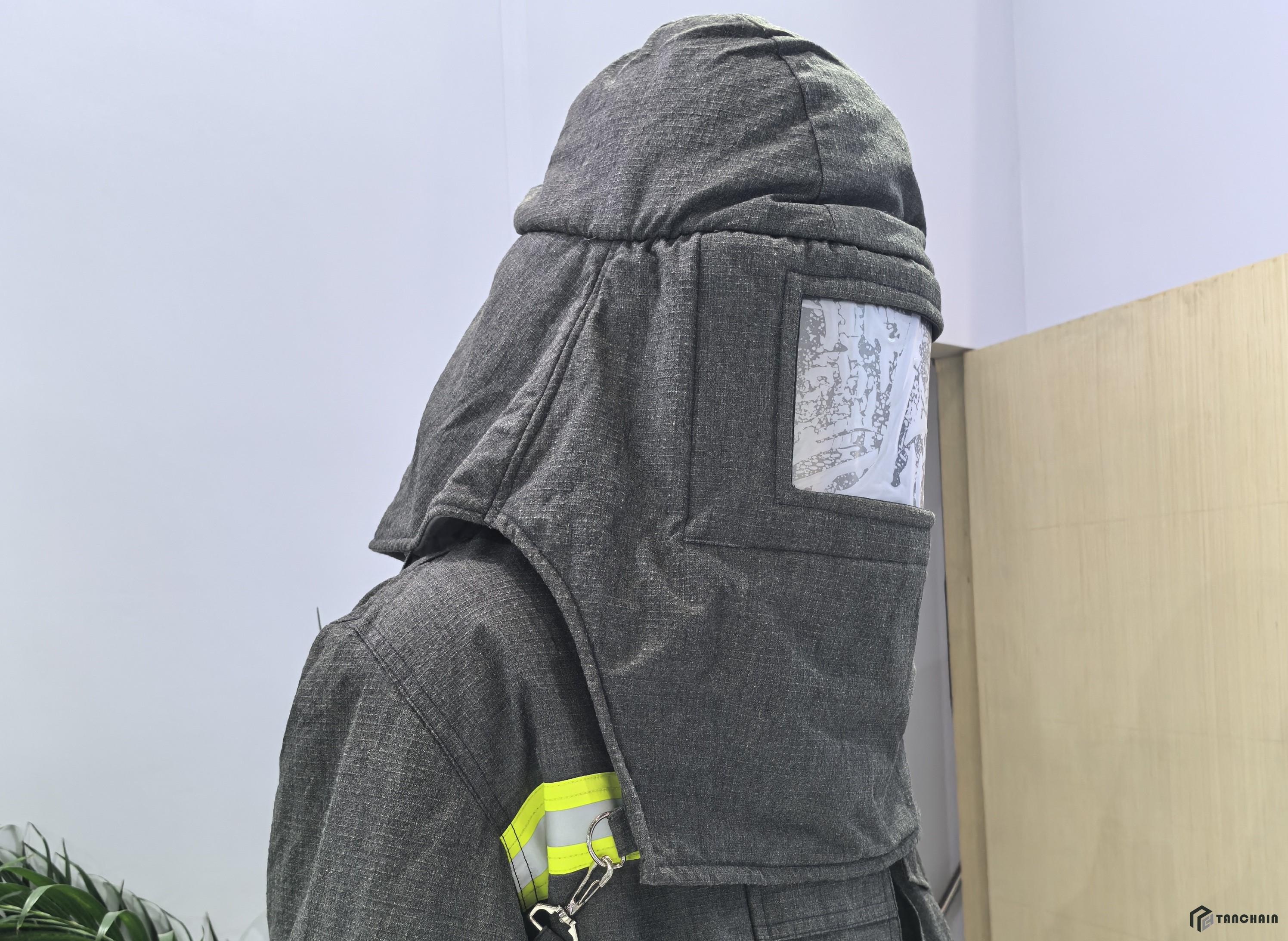
Thermal insulation is one of the strongest growth areas for pre-oxidized fiber. Manufacturers convert the fiber into needled felt, blanket, and nonwoven mat, which are then used to line furnace doors, ladle covers, and high-temperature ducting. Because the felt resists sparks and molten metal splash, it is often chosen for safety barriers and heat shields near casting and welding operations.
In steel mills, pre-oxidized fiber felt is used as a soft insulation layer behind refractory linings and around continuous casting equipment, where it absorbs thermal movement and protects the outer shell. In the aluminum and glass industries, it serves as a separator and gasket material that will not burn if it comes into contact with hot metal. These insulation products help plants cut energy loss, protect equipment, and reduce maintenance downtime.
Applications in High-Temperature Filtration
Baghouse and dust collection systems in cement kilns, biomass boilers, asphalt plants, and metal smelters operate at temperatures that would destroy standard polyester or polypropylene filter media. Pre-oxidized fiber filter bags are a durable and cost-effective answer.
The fiber's thermal stability allows filter media to run at elevated temperatures without losing mechanical strength, while its chemical resistance protects the fabric from acidic flue gases and alkaline dusts. Because the material does not melt, it also eliminates the risk of filter bags collapsing or fusing when a process upset pushes temperatures above normal limits. Pre-oxidized fiber is frequently blended with aramid or other high-performance fibers to fine-tune filtration efficiency, abrasion resistance, and cost.
Product Forms and How They Are Used
Pre-oxidized fiber is supplied in several forms, each matched to a different manufacturing route. Staple fiber is spun into yarn or converted directly into nonwoven felt. Filament and tow are used where continuous strength is needed. Yarn can be woven into fabric for curtains, blankets, and protective covers, while felt is needled into blankets for insulation and filtration.
These forms let manufacturers build products such as furnace lining blankets, heat shields, filtration bags, gaskets, and fire barriers from a single reliable raw material. Pre-oxidized fiber felt is also used as a precursor layer in carbonization processes, which adds value for producers working further up the technical textile chain.
Choosing the Right Material
When specifying pre-oxidized fiber for insulation or filtration, buyers should confirm the operating temperature, the chemical environment, and the required service life. A supplier who understands both the fiber and the end application can recommend the correct fiber density, felt weight, and fabric construction. Consistent fiber quality matters, because variation in density or crimp can affect filtration efficiency and insulation performance.
Shanghai Tanchain New Material Technology offers pre-oxidized fiber staple, filament, yarn, felt, and fabric with reliable supply and technical support for insulation and filtration programs. To review product options or request a quote, visit our oxidized fiber product page or contact our team directly.