


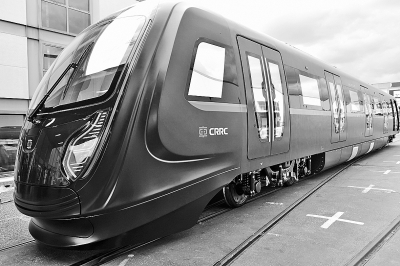
Fire safety has become one of the hardest engineering targets in modern transport, and carbon fiber is answering it. A bus interior, a metro car, a high-speed train and an electric vehicle all share the same conflict: the structures must be lighter to cut fuel or energy consumption, yet the materials must resist ignition, limit smoke and slow flame spread long enough for passengers to escape. For decades, designers accepted heavy steel and aluminum structures or settled for glass-reinforced polyester that burned readily. Flame retardant carbon fiber composites and the high-performance fibers around them have changed that trade-off, and this article explains how the shift works in practice.
This guide looks at where fire performance is regulated, how carbon fiber behaves when exposed to flame, which materials close the remaining gaps, and how transport manufacturers and their suppliers can specify a composite system that is both light and genuinely fire safe.
Why Fire Performance Is a Harder Problem in Transport Than Anywhere Else
Fire requirements in transport are stricter than in most other industries because the occupants cannot simply walk out. In a building, an evacuation route leads outdoors within minutes. On a train moving through a tunnel, in an aircraft at altitude, or on a ferry three miles from shore, people depend on the vehicle itself to survive long enough for the situation to be controlled.
Regulators therefore focus on measurable behaviour rather than broad claims. The relevant tests examine how quickly a material ignites, how fast flame spreads across its surface, how much heat it releases, how much smoke it generates and what the smoke contains. A material that burns slowly but produces dense toxic smoke can be more dangerous in an enclosed cabin than one that burns faster with cleaner combustion.
Three practical pressures drive material choice in transport interiors and structures:
Weight. Every kilogram removed from a vehicle saves energy over its service life, and in rail and metro applications it also reduces track wear and braking loads.
Regulation. Rail, marine and automotive markets each apply their own fire test standards, and increasingly they apply them to the whole assembly rather than to individual materials.
Cost of change. A material substitution must not force a redesign of the production line, so designers look for composites that can be processed with existing tooling and processes.
How Carbon Fiber Behaves Under Fire
Carbon fiber itself is one of the most thermally stable reinforcing fibers available. It does not melt, it does not drip, and it will not sustain a flame in air under normal conditions. In a burn-through or post-crash fire, a carbon fiber laminate retains much of its structural integrity far longer than an aluminum structure, which loses strength rapidly as it heats and can soften to the point of collapse.
The honest engineering picture, however, is more nuanced. In a composite laminate, the fiber is only part of the system. The polymer matrix that binds the fibers together is typically the component that ignites first, releases heat and produces smoke. That is why flame retardant carbon fiber performance is a system property, not a fiber property.
Three measures define how a composite behaves in a fire:
Ignition resistance. How much heat the surface can absorb before it begins to decompose.
Flame spread. How quickly combustion travels across a surface, usually expressed as a flame spread index.
Heat release rate. The single most useful predictor of whether a fire will grow or remain controllable, because it measures the energy the material feeds back into the fire.
A well-designed system manages all three by combining a thermally stable reinforcement with a matrix and surface treatment that resist ignition and limit smoke.
Where Flame Retardant Carbon Fiber Composites Are Used in Transport
Rail and Metro Interiors and Structures
Rail interiors are among the most demanding fire environments in transport. Seats, sidewalls, ceiling panels, luggage racks, partition walls, door leaves and floor panels all sit within the passenger compartment, and each must satisfy recognized fire testing for flame spread, heat release and smoke density.
Carbon fiber composite panels offer a high stiffness-to-weight ratio exactly where rail operators need it. Reduced mass in a metro car translates into lower traction energy, shorter braking distances and less wear on the track and the car itself. Combining carbon fiber skins with a fire-resistant core and a flame retardant matrix produces a panel that meets interior fire requirements while cutting the weight of a conventional metal or glass-reinforced alternative.
Bus and Coach Bodies
Buses combine a large passenger volume, extensive glazing and a composite body shell. Fire safety requirements cover the interior trim, the seating, the engine compartment and the electrical enclosures. Carbon fiber and aramid composite panels have entered bus construction because they allow manufacturers to build a stiff, damage-tolerant body without the weight penalty of steel. Aramid fabric in particular is used where impact resistance matters, such as in lower side panels that absorb kerb strikes and debris.
Electric Vehicles and Battery Enclosures
Battery-electric vehicles introduced a new fire engineering problem. A lithium-ion battery pack stores a large amount of energy in a small volume, and a thermal runaway event produces very high temperatures that must be contained. Structural composite enclosures made from carbon fiber can provide the stiffness and crash protection a pack requires, while additional thermal barriers control heat transfer to the passenger compartment or neighbouring modules.
Pre-oxidized fiber felts and other high-temperature insulation materials are frequently used as the thermal barrier layer in these assemblies. Because these fibers do not melt or drip, they hold their position when exposed to extreme heat and continue to separate the battery from the structure behind them.
Marine and Ferry Interiors
Marine fire regulations classify spaces by risk and require materials that limit flame spread on surfaces, particularly in escape routes and accommodation areas. Carbon fiber composite superstructures reduce top weight and improve stability, while fire-resistant lining systems and aramid or pre-oxidized fiber textiles satisfy the surface requirements of the classification societies.
The Materials That Close the Fire Performance Gap
Because carbon fiber brings structural performance rather than flame chemistry, the fire-safe composite is a layered solution. In practice, transport designers combine several material families in one assembly.
Carbon fiber fabric and prepreg carry the structural load in skins, panels, profiles and frames, delivering stiffness at low weight.
Aramid fabric and aramid long filament add impact toughness, cut resistance and a degree of inherent thermal stability where panels are exposed to mechanical damage.
Pre-oxidized fiber fabric, felt and yarn provide the high-temperature barrier. With a limiting oxygen index above 40 percent, pre-oxidized fiber self-extinguishes in air and does not melt or drip, making it ideal for insulation blankets, fire barriers and protective surfaces.
Flame retardant resin systems and intumescent surface layers reduce the heat release contribution of the matrix and can form a protective char layer that slows heat penetration.
Together these materials allow a manufacturer to build a panel or an enclosure that is light, stiff, impact tolerant and fire safe at the same time, which no single material can achieve alone.
Product Forms Used in Transport Fire Protection
Each transport application calls for a specific product form, and specifying the right one is what keeps a fire-safe design practical to manufacture.
Carbon Fiber Fabric and Prepreg
Woven and unidirectional carbon fiber fabrics form the structural skins of interior panels, seat structures, door leaves and battery enclosure lids. Prepreg grades give consistent resin content, which matters for fire testing because heat release and smoke results depend directly on resin fraction.
Carbon Fiber Plate, Tube and Pultruded Profiles
Flat carbon fiber plate and carbon fiber tube are used for stiffeners, seat frames, grab rail supports and structural inserts. Pultruded carbon fiber profiles deliver continuous, uniform properties for longer structural elements such as underframe beams and panel reinforcements.
Aramid Fabric and Long Filament
Aramid fabric is specified for impact and abrasion exposed surfaces, and aramid long filament is used in sewing threads, strapping and reinforcement cord where strength and heat resistance are needed together.
Pre-Oxidized Fiber Felt, Fabric and Yarn
Pre-oxidized fiber felt serves as a thermal barrier and insulation layer behind panels and around battery modules. Pre-oxidized fiber fabric is used for fire blankets, curtains and protective covers, while yarn is woven or needled into the textile constructions these products require.
Practical Guidance for Specifying a Fire-Safe Composite
Test the Assembly, Not the Datasheet
Fire results depend on thickness, resin content, core material, adhesive and surface finish together. A laminate that passes a test at one thickness may behave differently at another. Approval bodies increasingly require tests on the finished assembly, so design the layup early and test the real configuration rather than relying on generic material data.
Ask What the Smoke Contains
Smoke density and toxicity requirements are often the limiting factor in enclosed cabins. Halogen-free flame retardant systems are usually preferred in transport interiors because they limit corrosive and toxic combustion products while still meeting heat release targets.
Keep the Structural Case Separate From the Fire Case
It helps to think in layers. Carbon fiber carries the mechanical load. Aramid adds damage tolerance where needed. Pre-oxidized fiber and insulation materials handle the thermal barrier. A flame retardant matrix and surface layer manage ignition and smoke. Separating the requirements this way makes it far easier to choose materials and to explain the design to an approval authority.
Verify the Supply Chain
Fire performance is only repeatable if the materials are consistent. Batch-to-batch variation in fiber areal weight, resin content or felt density can change test outcomes and complicate certification. Working with a supplier who provides stable specifications, batch traceability and technical documentation keeps certification predictable.
Why Tanchain for Flame Retardant Composite Materials in Transport
Shanghai Tanchain New Material Technology supplies the full material stack that a fire-safe transport program needs from a single source, which shortens qualification and simplifies the bill of materials.
Carbon fiber range: carbon fiber tow, carbon fiber fabric, carbon fiber prepreg, carbon fiber plate, carbon fiber tube and finished carbon fiber products for structural and interior applications.
Aramid range: aramid long filament, aramid staple fiber and aramid fabric for impact tolerance, cut resistance and thermal stability.
Pre-oxidized fiber range: pre-oxidized fiber tow, filament, staple fiber, yarn, fabric and felt for high-temperature barriers, insulation and fire protection.
Technical support: guidance on layup design, resin selection, thermal barrier placement and material documentation for fire testing and certification.
For manufacturers working on rail interiors, bus bodies, electric vehicle battery enclosures, marine accommodation or any transport application where weight and fire safety must be solved together, a combined composite and high-temperature fiber approach delivers a lighter, safer and more certifiable result than a single-material compromise.
Conclusion: Lighter Structures and Stronger Fire Safety Are No Longer a Trade-Off
Flame retardant carbon fiber composites have moved fire safety from a constraint that limits lightweight design to a requirement that lightweight design can now meet. Carbon fiber fabric, prepreg, plate, tube and pultruded profiles carry the structural load, aramid fabric and long filament absorb impact and add thermal stability, and pre-oxidized fiber felt, fabric and yarn provide the high-temperature barrier that contains heat and slows flame spread. Specified as a system and tested as a finished assembly, these materials let transport manufacturers reduce vehicle weight without weakening passenger protection.
If you are developing a transport interior, a battery enclosure or a structural panel and need to balance weight, stiffness and fire performance, our team can help you select the right carbon fiber, aramid and pre-oxidized fiber materials for the build. Browse our carbon fiber and pre-oxidized fiber product ranges, or contact us directly for technical guidance and a tailored quotation for your next flame retardant composite project.