


-
How Carbon Fiber Materials Are Transforming Medical Equipment
-
Carbon fiber in medical equipment delivers lightweight, radiolucent, and corrosion-resistant components for imaging tables, surgical instruments, prosthetics, and mobility aids. Explore how CFRP composites improve clinical performance and patient outcomes.
Introduction: Why Carbon Fiber Materials Are Transforming Medical Equipment
Modern healthcare demands equipment that is simultaneously lightweight, extraordinarily strong, radiolucent, and safe for daily clinical use. Few materials satisfy all of these requirements as elegantly as carbon fiber in medical equipment. Originally developed for aerospace and motorsport, carbon fiber reinforced polymer (CFRP) composites have steadily moved into hospitals, imaging suites, and rehabilitation centers, where their exceptional strength-to-weight ratio, chemical resistance, and transparency to X-ray radiation bring measurable clinical benefits. This article explores the many ways carbon fiber composite materials are reshaping medical devices, from diagnostic imaging tables to surgical instruments, prosthetic limbs, and rehabilitation aids, and explains why advanced intermediates such as carbon fiber tow, carbon fiber fabric, and carbon fiber prepreg are the building blocks behind these innovations.
For engineers and procurement managers in the medical device industry, understanding the practical value of carbon fiber is about more than chasing the latest technology. It is about delivering better patient outcomes, improving staff ergonomics, and reducing the total lifetime cost of sophisticated medical systems. In the sections that follow, we examine specific applications, the material forms involved, and the supply chain considerations that matter most when choosing a reliable partner.
The Rise of Carbon Fiber Composites in Diagnostic Imaging
Diagnostic imaging is one of the clearest success stories for carbon fiber in medical equipment. Equipment such as CT scanners, X-ray machines, and linear accelerators used in radiation therapy depend on components that allow imaging beams to pass through with minimal interference. Traditional metal tabletops and support panels can scatter or absorb radiation, degrading image quality and increasing the dose needed to produce a usable scan.
Carbon fiber plates and molded carbon fiber tabletops solve this problem elegantly. Because carbon is a low-atomic-number element, carbon fiber composite panels are highly radiolucent, meaning X-rays and imaging beams travel through them with very little attenuation. This property produces sharper diagnostic images, reduces radiation exposure for both patients and clinicians, and allows medical staff to position equipment accurately. At the same time, carbon fiber provides the stiffness needed to support patients of varying body weight without noticeable deflection, maintaining dimensional stability across the full imaging area.
Beyond tabletops, carbon fiber is used in head restraints, positioning aids, and other accessories inside imaging systems. Its combination of radiolucency and mechanical strength means positioning tools can be left in place during a scan without obscuring the region of interest. As a result, radiologists obtain cleaner, more reliable images in less time, which supports faster and more confident diagnoses across hospitals and clinics worldwide.
Lightweight Strength in Surgical Instruments and Operating Room Devices
Surgeons often work for hours while holding precision instruments, so equipment weight directly influences hand fatigue and procedural accuracy. Carbon fiber composite handles and instrument shafts offer a significant ergonomic advantage over their stainless steel counterparts, delivering comparable stiffness at a fraction of the weight. This makes carbon fiber an attractive option for handheld surgical tools, retractors, and long-reach endoscopic accessories where a steady hand and reduced fatigue are essential.
Carbon fiber also brings excellent corrosion resistance and chemical compatibility to the operating room. Medical instruments endure repeated exposure to cleaning agents, disinfectants, and sterilization processes, environments that can damage unprotected metal over time. Well-engineered carbon fiber components resist these challenges and retain their dimensional precision through many cleaning cycles, contributing to a longer, more dependable instrument life. When combined, the lightness, strength, and durability of carbon fiber help surgical teams perform delicate procedures with greater comfort and consistency.
Carbon Fiber in Prosthetics, Orthotics, and Rehabilitation
Few fields demonstrate the human value of advanced composites more visibly than prosthetics and orthotics. Carbon fiber prosthetic feet, pylon tubes, and socket components are widely recognized for their ability to store and release energy during walking and running. A carbon fiber prosthetic foot flexes under body weight and springs back during push-off, closely mimicking the natural energy return of an able-bodied gait. The result is smoother, more efficient movement and a substantially reduced metabolic cost for the wearer.
Orthotic braces and supports also benefit from carbon fiber's lightness and stiffness. Ankle-foot orthoses made from carbon fiber fabric and prepreg provide firm medical support while remaining slim enough to fit beneath clothing, improving comfort and daily wearability. Because the material can be shaped into thin, contoured laminates, clinicians can design devices that offer targeted support exactly where it is needed without the bulk associated with heavier conventional materials.
Rehabilitation equipment such as walking aids, transfer boards, and therapy tables additionally relies on the corrosion resistance and cleanability of carbon fiber composites. Equipment that is easy to lift and wipe down helps caregivers and therapists work more efficiently while maintaining the rigorous hygiene standards required in clinical environments.
Carbon Fiber Mobility Aids and Hospital Furniture
Wheelchair manufacturers have embraced carbon fiber to produce chairs that are both exceptionally light and highly durable. A carbon fiber wheelchair frame can weigh notably less than an equivalent aluminum model, which makes daily propulsion, lifting into vehicles, and navigating uneven surfaces far less strenuous for users and their assistants. The material's high strength also allows designers to build slim, aesthetically refined frames that still withstand years of demanding use.
The same qualities translate into hospital furniture and patient handling equipment. Carbon fiber stretchers, backboards, and radiolucent transport boards allow emergency responders and hospital staff to move patients safely while ensuring that imaging equipment can be used without transferring the patient to a separate table. Lightweight carbon fiber headsets and positioning systems in operating theaters help reduce the physical strain placed on surgical teams during long procedures, an important factor in clinician well-being and retention.
Carbon Fiber Applications in Radiotherapy and Medical Electronics
In radiation oncology, precision is everything. Treatment tables and positioning devices used with linear accelerators and proton therapy systems must allow the treatment beam to pass through with minimal attenuation so that the intended dose reaches the tumor while surrounding healthy tissue is spared. Carbon fiber's excellent radiolucency and structural rigidity make it the material of choice for these demanding applications, helping oncologists deliver more accurate, better-tolerated treatments.
Beyond radiography and oncology, carbon fiber composites are finding their way into medical electronics and precision instrumentation. Imaging systems, robotic-assisted surgery equipment, and laboratory analyzers all require stable, vibration-resistant structural components, and carbon fiber fabric laminates deliver the dimensional stability and damping characteristics these advanced machines need. In each case, the defining advantages remain the same: outstanding strength-to-weight performance, corrosion resistance, and the ability to be engineered into complex, lightweight structures that metal simply cannot match economically.
Material Forms: How Carbon Fiber Reaches the Medical Device Manufacturer
Medical device manufacturers source carbon fiber in a range of intermediate forms, each selected for a particular production process and performance target. Carbon fiber tow, supplied as continuous filaments, provides the fundamental reinforcement used to build stronger laminates and is frequently converted into unidirectional tapes. Carbon fiber fabric, available in woven and non-crimp constructions, is ideal for layering into the contoured shells of prosthetic sockets and orthopedic braces. Carbon fiber prepreg combines reinforcement with a precisely controlled resin system, producing consistent, high-quality laminates after curing for structural parts with tight tolerances.
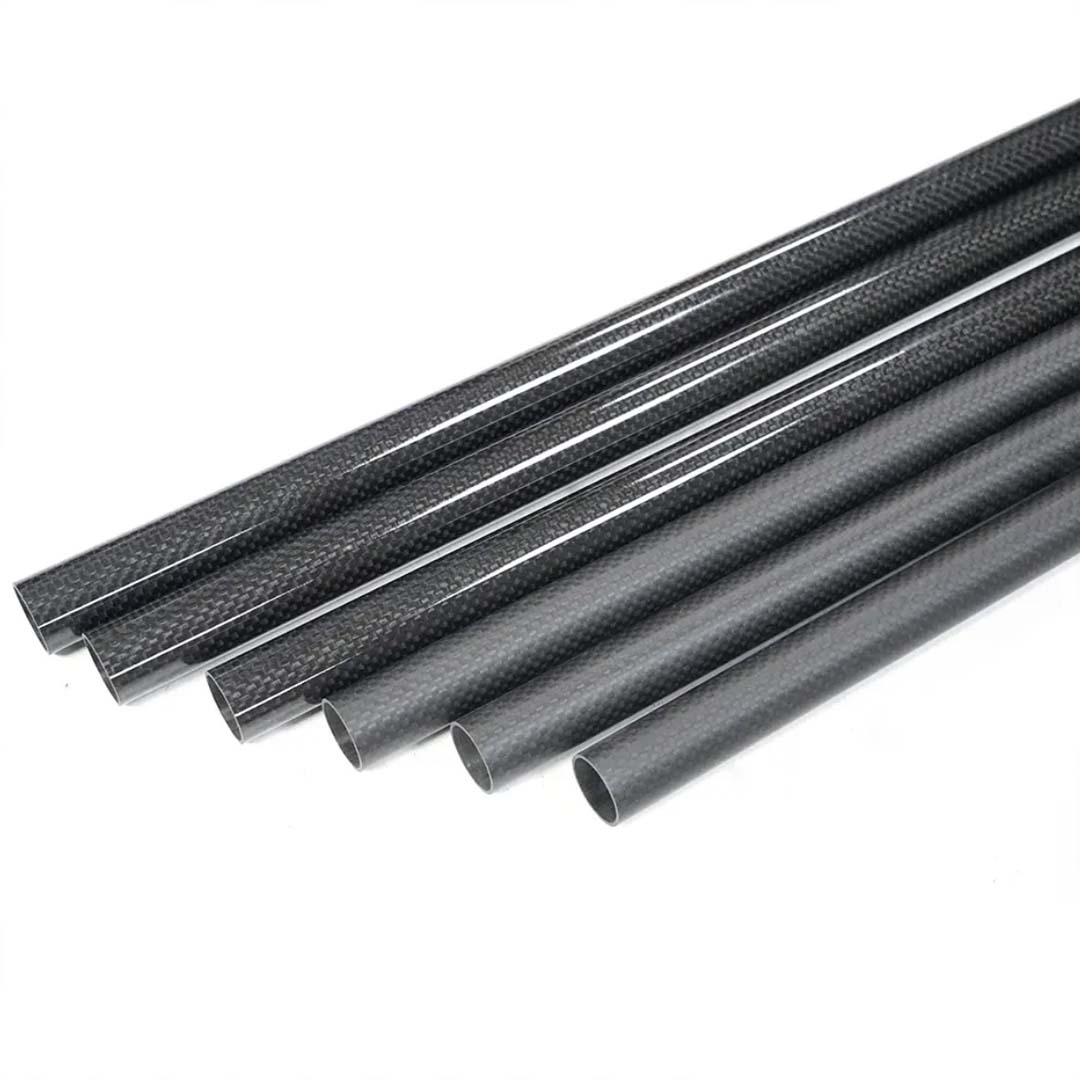
Carbon fiber plates and carbon fiber tubes offer ready-made structural profiles for tabletops, frames, and load-bearing members, reducing machining time and ensuring repeatable performance. Because patient safety and regulatory traceability are paramount in the medical field, manufacturers value raw material suppliers who can document consistent mechanical properties, batch traceability, and dependable supply across large programs. Whether the application demands carbon fiber long filament, unidirectional fabric, or finished prepreg, a dependable partner is essential to bringing safe, high-performance medical devices to market.
Why Choose a Specialized Carbon Fiber Supplier for Medical Projects
The medical device industry operates under strict quality and regulatory standards, which places special demands on raw material partners. Consistency from batch to batch is essential, because even small variations in carbon fiber filament properties can affect the final mechanical behavior of a prosthetic component or an imaging tabletop. A specialized supplier with documented technical data and responsive engineering support helps manufacturers validate materials, optimize designs, and bring products to market with greater confidence.
Supply reliability matters just as much as material quality. Medical device production schedules are often tightly linked to hospital purchasing cycles and clinical trial timelines, so dependable lead times and stable availability are critical. By working with an experienced provider of carbon fiber precursor, tow, fabric, prepreg, plate, and tube products, medical companies secure a single, accountable source across the entire material range, simplifying procurement and reducing risk throughout the product lifecycle.
Conclusion: Carbon Fiber Materials as the Foundation of Smarter Medical Equipment
From radiolucent imaging tables and lightweight surgical instruments to energy-returning prosthetics and durable mobility aids, carbon fiber in medical equipment continues to expand its footprint across the healthcare industry. The material's unique combination of high strength, low weight, corrosion resistance, and transparency to radiation delivers real clinical value, improving diagnostic clarity, reducing clinician fatigue, and enhancing patient comfort and independence. As medical technology grows more advanced and the demand for ergonomic, patient-centered equipment rises, carbon fiber composite materials will play an increasingly central role.
Whether you are developing the next generation of diagnostic imaging systems, surgical tools, or prosthetic devices, partnering with a reliable carbon fiber supplier makes a measurable difference in performance, quality, and time to market. We invite you to explore our complete range of carbon fiber and aramid materials — including tow, fabric, prepreg, plate, and tube products — to find the solution best suited to your medical application. Contact our engineering team today for technical guidance, material samples, or a tailored quotation for your next project.